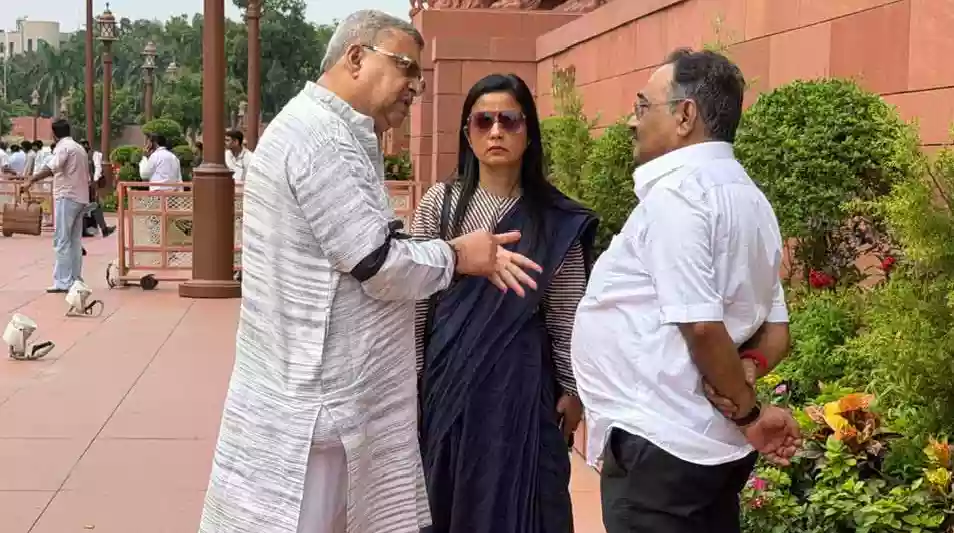
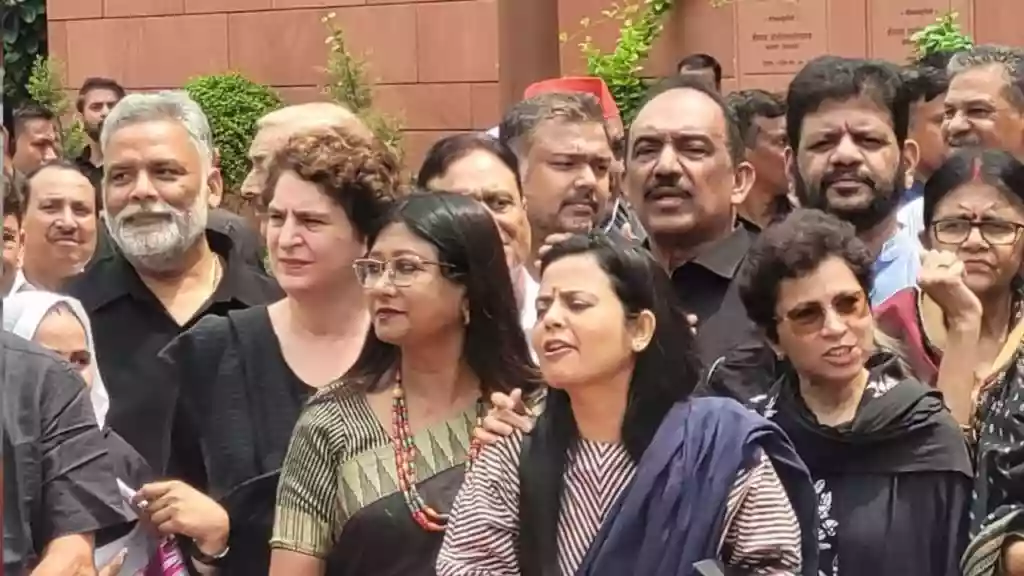
Kalyan spotted speaking with Samik at Parliament; Mahua joins in too
.gif)

Download Mobile App 






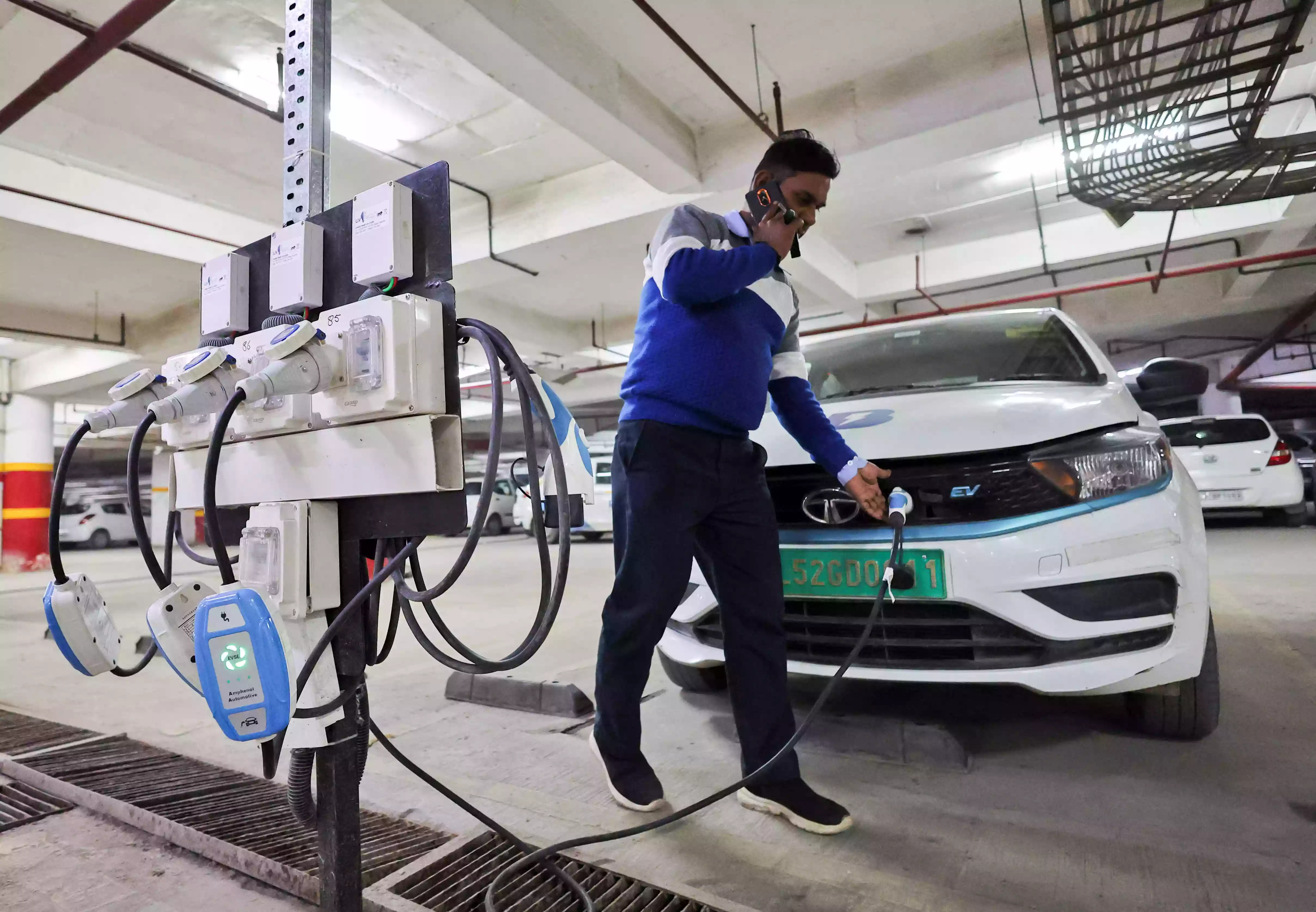
The Delhi Cabinet has officially approved the ambitious Delhi Electric Vehicle (EV) Policy 2026, marking a massive legislative step toward making the national capital a clean transport hub. Chaired by Chief Minister Rekha Gupta on Monday, June 29, the cabinet finalized a multi-tiered subsidy structure that completely waives registration fees and road tax for all pure electric cars priced up to ₹30 lakh. The policy acts as a direct intervention against the city’s severe ambient air pollution, particularly the hazardous toxic smog that routinely chokes the capital region during the onset of the winter season.
Following the key cabinet clearance, the draft policy is being forwarded to Delhi Lieutenant Governor Taranjit Singh Sandhu for formal statutory execution. Slated to come into effect from July 1, 2026, the updated green framework will remain systematically functional until March 31, 2030. The comprehensive blueprint is backed by an estimated ₹15,000-crore financial layout over the next four years, split across providing direct consumer purchase incentives and establishing over 32,000 localized public EV charging installations across the city's municipal zones.
The policy introduces a highly lucrative, phased monetary incentive package to drastically reduce the initial cost gap between regular internal combustion engine (ICE) models and green alternatives. Electric two-wheeler buyers will receive a direct financial subsidy of ₹30,000 in the first year, tapering down to ₹20,000 in the second year and ₹10,000 in the third. Similarly, electric three-wheelers will attract incentives of ₹50,000, ₹40,000, and ₹30,000 respectively over the same period. Light commercial vehicles falling under the N1 category (freight trucks up to 3,500 kg) will be granted a ₹1-lakh purchase incentive, while a robust scrapping bonus of ₹1 lakh has been designated for citizens trading in their obsolete BS-IV or older four-wheelers for a new zero-emission car. Crucially, transport officials have clarified that hybrid vehicles are completely excluded from these subsidy benefits to maintain an exclusive focus on true zero-emission technology.
To cement this environmental transition, the Delhi government has integrated an aggressive, legally mandated timeline to phase out fuel-dependent vehicles entirely from public transport and delivery domains. Starting January 1, 2027, the transport department will completely halt the registration of new petrol or CNG auto-rickshaws, rendering only electric variants eligible for operation. Moving further, a absolute restriction will lock into place on April 1, 2028, after which no new petrol or CNG-driven two-wheelers will be registered anywhere within the capital, legally forcing a complete commercial migration to battery-powered alternatives.



.webp)
.webp)

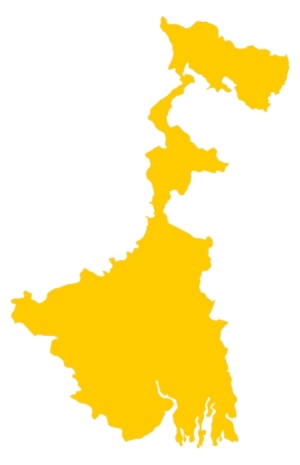 West Bengal
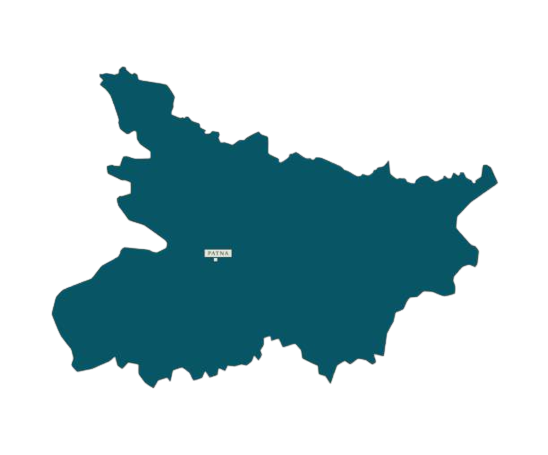 Bihar
Bihar Uttar Pradesh
 Jharkhand